
Article
Italian culture is widely recognized for its strong sense of character, deep historical continuity, and a national identity that appears firmly rooted. However, this identity is frequently constructed through selective remembrance, celebrating certain histories while marginalizing or erasing others. Consequently, the resulting cultural narrative seems solid in its foundations yet remains fragile in its capacity to acknowledge the plurality of voices that have shaped and continue to shape Italy. Black History Month Milano (BHMM) aims to correct this.

Photo credit: [credit 1]
In her monograph Playing in the Dark - Whiteness and the Literary Imagination (1992) Toni Morrison argues that "the imaginative and historical terrain upon which early American writers journeyed is in large measure shaped by the presence of the racial 'other.'" Morrison demonstrates that even attempts to declare race meaningless are themselves deeply meaningful, revealing how racial presence operates even when rendered invisible. Her work prompts a critical question beyond the American context: how is Italy's imaginative and historical terrain shaped by the presence of the racial other?
This question extends across literature, visual culture, education, media, and public memory. Cultural theorist Stuart Hall in Cultural Identity and Diaspora (1990) asserts that identity is not fixed but produced through representation, power, and history. In Italy, this process has historically excluded Black presence from the center of the national narrative, relegating it to the margins despite centuries of contact, exchange, and entanglement with Africa and the African diaspora.
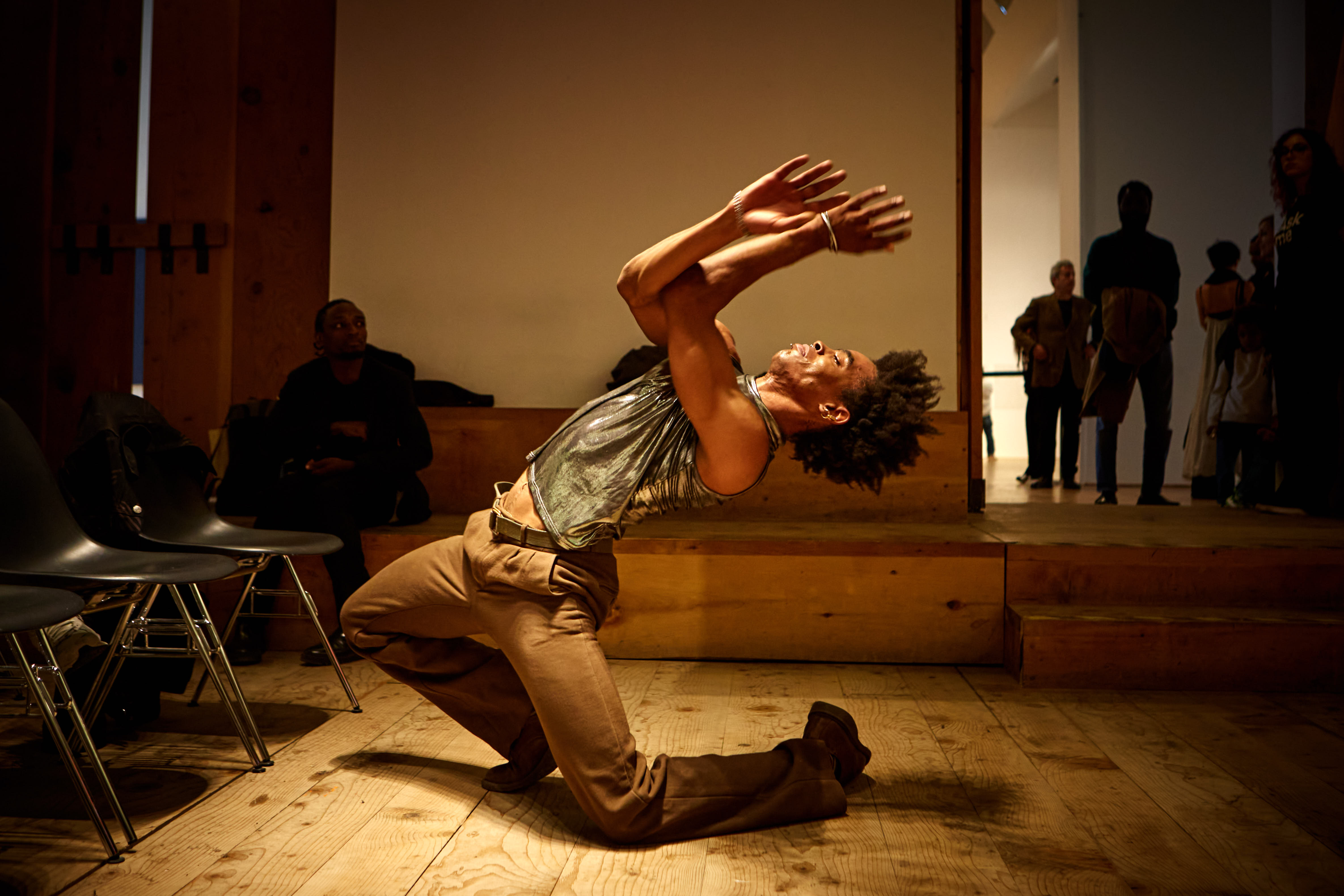
Photo credit: [credit 2]
Black History Month Milano emerges not merely as an imported framework but as a response to the persistent exclusion of Black voices from Italy's cultural narrative. Its development in various Italian cities, such as Florence, where initiatives connected to the Recovery Plan foster dialogue on memory and inclusion, and Turin, where Black History Month Torino creates enduring space for Black histories and culture, demonstrates a commitment to recognizing Black presence as central to Italy's past and present. This highlights the necessity of reimagining Italy's cultural memory and making the recovery and celebration of Black contributions a matter of national urgency.
These efforts are not isolated; rather, they represent a growing, interconnected movement that seeks to recover suppressed histories, challenge dominant narratives, and make visible the Black intellectual, artistic, and social contributions that have long existed yet remain insufficiently acknowledged.
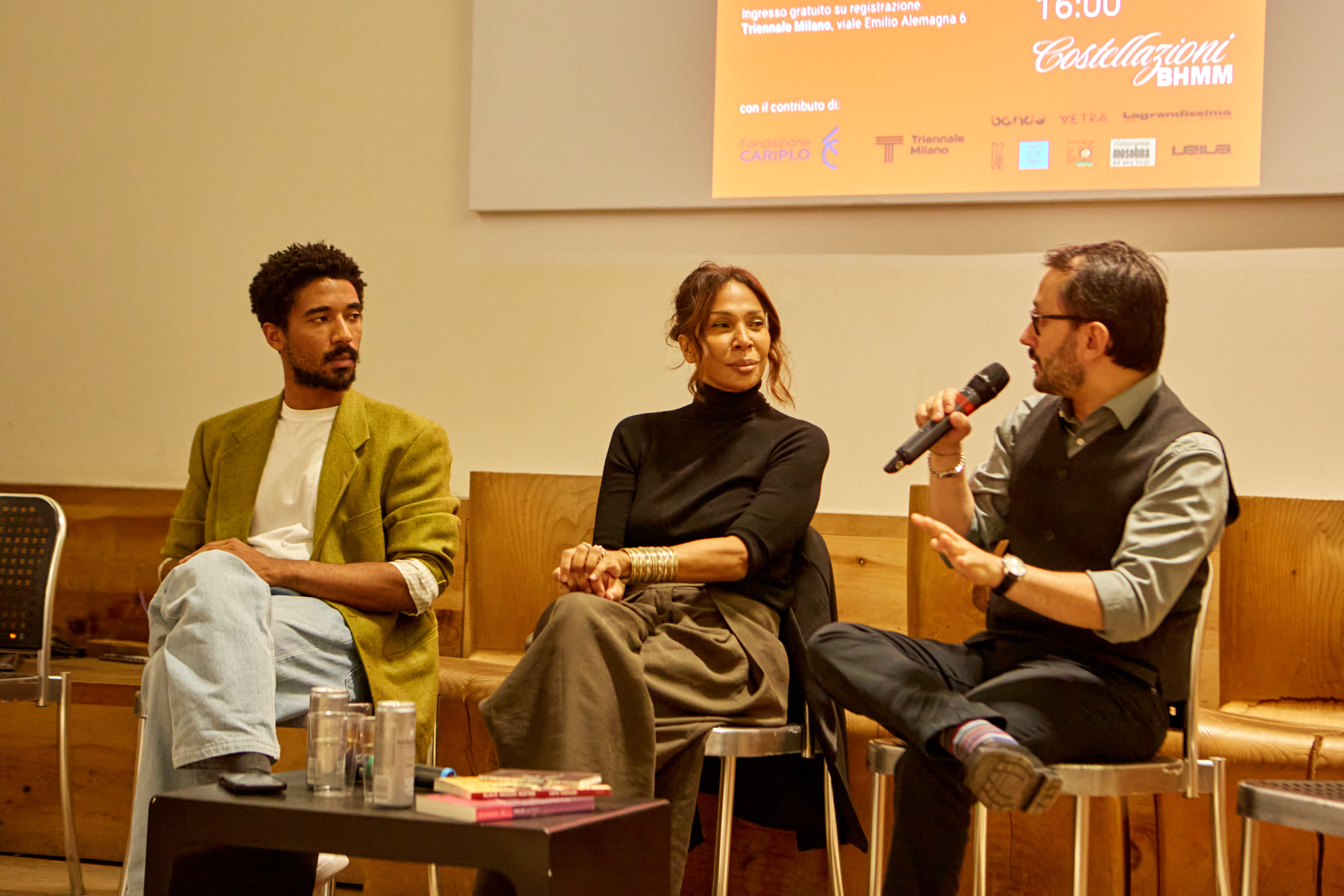
Photo credit: [credit 3]
Milan enters this conversation as a pivotal arena in reshaping Italy's cultural narrative. As the nation's economic and cultural center, Milan holds significant responsibility and influence in shaping national identity. However, Black voices remain notably underrepresented in the city's institutions and archives. The central goal of Black History Month Milano is therefore to claim space in Milan's cultural landscape, building upon previous efforts in Florence and Turin, while directly challenging the silencing of Black narratives and addressing Milan's urgent need for a more inclusive collective memory.
Black History Month Milano fosters transnational exchange and builds networks among Afro, Afro-descendant, Black, and African diasporic communities in Italy and internationally. Its activities include conferences, workshops, exhibitions, performances, literary events, and artist residencies, all of which highlight the contributions of Black and African diasporic individuals.

Photo credit: [credit 4]
As observed by bell hooks, in Yearning: Race, Gender, and Cultural Politics (1990) marginality can become a site of resistance when it is named and transformed into a space of critical intervention. BHMM exemplifies this by creating sustained platforms that influence education, public art, and media dialogue. These initiatives not only celebrate cultural contributions but also lead to curriculum changes, amplify new artistic voices, and enrich public discussions about Italy's past and future. In this way, the project firmly situates Black and Afro-diasporic experiences at the center of both historical understanding and contemporary life.
Photo credit: [credit 5]
This work does not treat diversity as an afterthought or a token gesture. Instead, it represents a deliberate effort to reframe the national narrative, positioning the reality of BHMM as both an act of cultural responsibility and a challenge to Italy's prevailing modes of remembrance. The objective is to encourage Italy toward honest engagement with its history, critical reflection on its present, and an inclusive vision for its future by making Black experience integral, rather than peripheral, to Italian identity.

Photo credit: [credit 6]
Black History Month Milano is not a temporary event but an ongoing commitment to establishing Black, diasporic and Afro-Italian visibility, fostering dialogue, and continuously reshaping Italy's collective memory. Its purpose is to ensure that Black histories and contributions are fundamental to Italy's understanding of itself, both now and in the future.
Morrison, Toni. Playing in the Dark: Whiteness and the Literary Imagination. Harvard University Press, 1992.
Hall, Stuart. Cultural Identity and Diaspora. Identity: Community, Culture, Difference, edited by Jonathan Rutherford, Lawrence & Wishart, 1990, pp. 222–237.
hooks, bell. Yearning: Race, Gender, and Cultural Politics. South End Press, 1990.